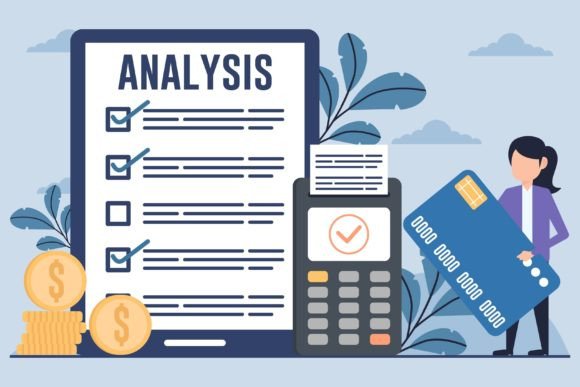
Concept of Analysis and Accounting
In the fast-paced world of visual communication, clarity is not just a preference; it is a necessity. When you integrate the Concept of Analysis and Accounting into your creative workflow, you transform abstract data into compelling narratives that drive decision-making. This approach bridges the gap between raw financial information and engaging visual storytelling, ensuring that complex metrics are understood instantly by stakeholders, clients, and audiences alike.
The Power of Vector-Based Visual Design
For designers tasked with illustrating financial concepts, the choice of assets is critical. A robust design template featuring 100% vector elements offers unparalleled flexibility. Unlike raster images, these files can be transformed, scaled up or down, and recolored without losing quality. This scalability is essential for modern graphic design, where a single asset might need to appear on a massive billboard, a mobile app icon, or a printed annual report.
When working with the Concept of Analysis and Accounting, precision matters. Vector graphics allow you to manipulate every curve and line, ensuring that charts, graphs, and icons remain crisp at any resolution. You can easily edit vector files in any standard software, add or remove elements, and adjust text to fit specific brand guidelines. This adaptability supports a seamless design workflow, reducing the time spent on revisions and allowing you to focus on strategic creativity.
Enhancing Brand Identity Through Data Visualization
Effective branding goes beyond logos; it extends to how a company presents its performance and values. High-quality creative assets help establish a strong brand identity by maintaining consistency across all touchpoints. Whether you are designing a logo design that incorporates subtle analytical motifs or creating infographics for an investor presentation, the visual language must align with your corporate voice.
Consider the role of typography and color palette in this context. Clean, sans-serif fonts often convey the precision associated with accounting, while a carefully chosen color scheme can highlight key data points without overwhelming the viewer. By applying principles of visual hierarchy, you guide the audience's eye through the most important information first, ensuring that your message lands with impact.
Practical Applications Across Digital and Print Media
The versatility of vector-based templates makes them suitable for a wide range of projects. Here are some key areas where high-resolution design assets elevate your work:
- Web Design and UI/UX: Use scalable icons and illustrations for dashboards, landing pages, and hero images to improve user experience and load times.
- Digital Marketing: Create dynamic social media graphics and banner ads that capture attention and communicate financial success stories quickly.
- Editorial Design: Enhance magazines, reports, and whitepapers with custom infographics that break down complex analysis into digestible visuals.
- Packaging and Merchandise: Apply clean, professional designs to product packaging or promotional items to reinforce trust and authority.
- Presentations: Elevate pitch decks and internal meetings with polished slides that reflect a modern aesthetic and professional presentation standards.
Selecting and Evaluating Design Elements
When choosing assets for your next project, prioritize compatibility with your existing brand systems. Look for files that offer full customization, such as EPS formats included with high-resolution JPG previews. These resources should allow you to tweak elements to match your specific design trends and audience expectations.
Readability is paramount when dealing with analytical content. Ensure that text remains legible even when scaled down for mobile web viewing. Similarly, check that the composition balances negative space and graphical elements effectively. A cluttered design can obscure the very insights you are trying to highlight, whereas a minimalist approach often yields greater clarity.
Ultimately, the goal is to create a cohesive visual experience that supports your business objectives. By leveraging premium vector resources, you ensure that your creative projects not only look impressive but also function effectively as tools for communication. Thoughtful design choices in analyzing and presenting accounting data can significantly boost engagement, foster trust, and drive better outcomes for your brand. In a competitive market, the quality of your visuals is often the deciding factor between being noticed and being ignored.