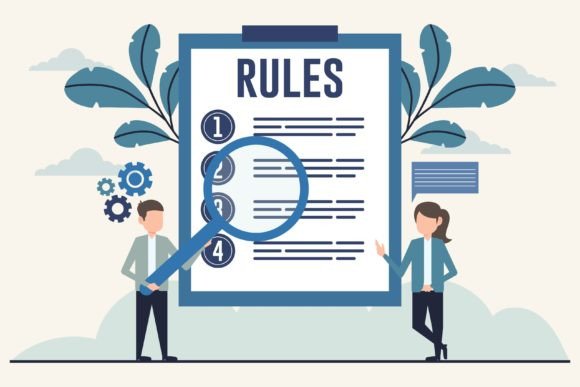
Decoding the Visual Language of Compliance: The Business People Looking at Rules Design Concept
In the rapidly evolving landscape of corporate communication and digital design, clarity is not just a preference; it is a necessity. One concept that has gained significant traction among designers, marketers, and business leaders is the Business People Looking at Rules Design. This visual motif transcends simple illustration; it serves as a powerful narrative device that encapsulates the intersection of human behavior, regulatory adherence, and strategic planning. For professionals navigating complex industries, this design element offers a versatile way to communicate themes of governance, compliance, and structured growth without relying on dense text.
At its core, this design template represents more than just an image of professionals examining a document. It symbolizes the modern enterprise's commitment to transparency and order. Whether you are crafting a landing page for a fintech startup or creating an infographic for a legal consultancy, the ability to visualize the act of reviewing rules is invaluable. The following exploration delves into why this specific design approach is becoming a staple in professional portfolios, how it aligns with current market trends, and the technical advantages that make it a superior choice for high-stakes projects.
The Strategic Importance of Visualizing Governance
Why are businesses increasingly turning to imagery that depicts people analyzing regulations? The answer lies in the shifting expectations of the modern consumer and investor. In an era where data breaches, regulatory fines, and ethical lapses can destroy a brand overnight, companies must project an image of diligence. The Business People Looking at Rules Design provides an immediate visual cue that an organization takes its responsibilities seriously.
This concept fits seamlessly into broader industry trends regarding corporate social responsibility (CSR) and risk management. As markets become more saturated, differentiation often comes down to trust. A visual representation of a team carefully studying guidelines suggests a culture of precision and accountability. It moves the conversation from abstract concepts like "compliance" to tangible actions like "reviewing," "analyzing," and "understanding."
Furthermore, this design resonates with the changing workflows of remote and hybrid teams. With the rise of digital collaboration tools, the physical act of gathering around a table to review documents has been replaced by virtual check-ins and digital dashboards. However, the need for that collaborative scrutiny remains. Illustrations that capture this dynamic help bridge the gap between digital interfaces and human connection, reminding stakeholders that behind every policy is a team of dedicated professionals ensuring quality and safety.
Adapting to the Digital Ecosystem
The relevance of this design extends across various digital platforms. From mobile web applications to expansive hero images on corporate websites, the versatility of the Business People Looking at Rules Design allows it to scale effectively. In the context of mobile web design, where screen real estate is premium, a well-composed vector illustration can convey a complex message instantly. Unlike photography, which can feel staged or dated quickly, a stylized vector graphic maintains its freshness and relevance over time.
For marketing campaigns focused on B2B services, such as consulting, auditing, or software development, this imagery acts as a universal language. It speaks to the pain points of the client—the fear of non-compliance or the desire for streamlined operations—and offers a visual solution. By integrating this design into banners, email headers, or presentation slides, brands can reinforce their expertise in navigating complex regulatory environments.
Technical Superiority: The Power of 100% Vector Graphics
While the conceptual value of the design is significant, its technical execution is what makes it indispensable for modern creators. The defining characteristic of the Business People Looking at Rules Design template is that all elements are 100% vector. In the world of digital assets, this distinction cannot be overstated. Vector graphics are mathematical representations of shapes, lines, and colors, rather than a grid of pixels. This fundamental difference unlocks a level of flexibility that raster images simply cannot match.
When working with vector files, designers gain the freedom to transform, scale up or down, add or remove elements, and recolor without losing any quality. This is crucial for projects that require assets in multiple formats. A single source file can be resized from a tiny icon on a mobile app to a massive billboard banner, maintaining crisp edges and vibrant colors throughout. This scalability ensures that your brand identity remains consistent across every touchpoint, from a small social media story to a large conference backdrop.
Workflow Efficiency and Customization
The ability to edit vector files in any standard vector graphics software revolutionizes the creative workflow. Instead of being stuck with a static image, professionals can tailor the design to fit their specific brand guidelines. Need to change the color palette to match your company's new rebrand? It takes seconds. Do you need to remove a specific character or add a logo to the document they are holding? The layered structure of the file makes these adjustments intuitive and precise.
This level of customization is particularly important for agencies and freelancers who serve diverse clients. A single base template can be adapted for a healthcare provider, a financial institution, or a tech startup, simply by altering the attire, the background, or the specific details of the "rules" being reviewed. This adaptability reduces production time and costs, allowing teams to focus on strategy rather than getting bogged down in asset creation.
Practical Applications Across Industries
The utility of the Business People Looking at Rules Design spans a wide array of use cases. Its neutral yet professional aesthetic makes it suitable for almost any sector that deals with processes, policies, or standards. Here are a few practical examples of how this design can elevate your projects:
- Landing Pages: Use the design as a hero image to immediately establish credibility for SaaS products related to compliance, HR management, or legal tech. The visual suggests that your product helps users navigate complexity.
- Infographics: Incorporate elements from the design to break up data-heavy sections. Characters looking at charts or lists can guide the viewer's eye through complex information flows, making the content more engaging.
- Banners and Ads: Create targeted ad creatives for LinkedIn or Google Display Network. The clear subject matter ensures that the ad communicates its value proposition before the user even reads the headline.
- Internal Communications: Utilize the graphics in internal training materials or newsletters to emphasize the importance of company policies and safety protocols in a visually appealing way.
- Mobile Web Interfaces: Implement simplified versions of the characters as loading states or empty state illustrations, adding a layer of personality to functional apps.
Meeting Changing Consumer and Professional Expectations
The demand for high-quality, customizable design assets is driven by a shift in how businesses consume content. We are moving away from generic stock photography that feels impersonal and toward bespoke illustrations that tell a specific story. Professionals and enthusiasts alike are seeking resources that allow them to maintain creative control while adhering to tight deadlines.
The Business People Looking at Rules Design addresses this need by offering a comprehensive package that includes 100 vector source files in EPS format, along with high-resolution JPGs. This combination ensures that whether you are a designer needing full editing capabilities or a marketer needing quick deployment, the asset meets your needs. The inclusion of high-resolution JPGs means that non-designers can still utilize the visuals for presentations or social media without needing specialized software, while the EPS files empower the creative team to push boundaries.
Moreover, the trend toward flat and semi-flat design styles aligns perfectly with this template. These styles are favored for their cleanliness and readability, especially on smaller screens. They strip away unnecessary detail to focus on the core message, which is essential when discussing topics as dense as regulations and rules. By adopting this aesthetic, businesses signal that they value efficiency and clarity—traits that are highly prized in today's fast-paced economy.
Conclusion: Elevating Your Brand Through Intentional Design
In conclusion, the Business People Looking at Rules Design is more than just a collection of illustrations; it is a strategic tool for modern communication. It bridges the gap between complex regulatory realities and the need for clear, engaging visual storytelling. By leveraging the power of 100% vector graphics, professionals can ensure that their visual assets are future-proof, scalable, and fully customizable to meet the unique demands of their projects.
As we look toward the future of digital design, the ability to adapt and personalize content will remain a key differentiator. Whether you are building a new website, launching a marketing campaign, or creating internal training materials, choosing assets that offer both conceptual depth and technical flexibility is essential. This design template empowers creators to do exactly that, providing a robust foundation for projects ranging from web graphics and mobile interfaces to infographics and beyond. By embracing these tools, businesses can project an image of competence, reliability, and forward-thinking innovation, ultimately strengthening their position in an increasingly competitive marketplace.
For entrepreneurs, marketers, and freelancers, the investment in high-quality vector resources pays dividends in brand consistency and audience engagement. The Business People Looking at Rules Design stands as a testament to the power of thoughtful design in solving real-world business challenges, proving that even the most mundane topics can be transformed into compelling visual narratives.