Female Doctor on Big Phone Screen Talkin: Bridging the Gap in Modern Telehealth
The way we access healthcare has shifted dramatically over the last decade. We no longer wait in crowded waiting rooms for hours just to speak with a professional for five minutes. Instead, technology has brought the clinic directly into our living rooms, offices, and even cars. This transformation is perfectly captured by the visual concept of a Female Doctor on Big Phone Screen Talkin. It is more than just a digital image; it represents a fundamental change in how patients and providers connect. Whether you are a web designer building a new health portal or a patient seeking convenient care, understanding the power of this imagery helps clarify the value of modern telemedicine.
What This Visual Represents in Digital Health
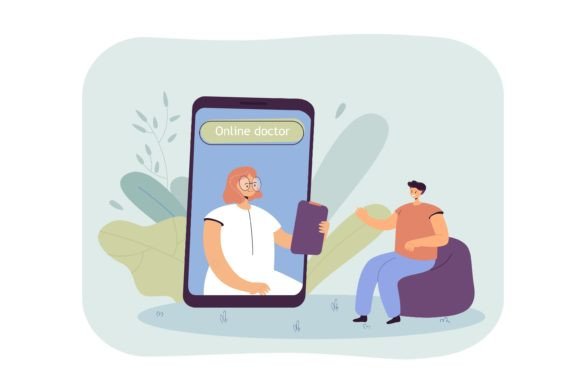
At its core, the illustration of a female doctor engaging in a conversation via a large smartphone screen depicts the essence of an online appointment with a medical professional. It strips away the sterile, intimidating atmosphere often associated with hospitals and replaces it with something familiar and accessible. The "big phone screen" element emphasizes that the device in your hand is now a powerful diagnostic tool. It suggests clarity, connection, and immediacy.
This graphic typically features a flat vector style, which makes it versatile for various digital platforms. The interaction shown—a calm, professional dialogue between a provider and a patient—highlights the human element that remains crucial even when mediated by technology. It reassures viewers that despite the distance, the quality of care and the empathy of the interaction remain intact. For anyone involved in the health sector, this image serves as a visual shorthand for efficiency, modernity, and patient-centric care.
Where and When to Use This Imagery
The utility of the Female Doctor on Big Phone Screen Talkin extends far beyond a simple stock photo. It is a strategic asset for creators, entrepreneurs, and marketers who need to communicate complex ideas about remote care quickly and effectively. You will find this type of visual most effective in high-traffic areas where user attention is fleeting.
- Landing Pages: When a user clicks on an ad for a telehealth service, they want immediate confirmation that they are in the right place. Placing this illustration at the top of a landing page instantly validates the service offering.
- Mobile App Interfaces: Inside a health application, this graphic can guide users through the booking process, making the abstract idea of a video call feel concrete and safe.
- Social Media Campaigns: In feeds cluttered with text and generic images, a clear, friendly depiction of a doctor-patient interaction stands out and encourages engagement.
- Corporate Banners: Hospitals and insurance companies use these visuals to promote their digital initiatives, signaling to members that they have embraced modern conveniences.
The timing of usage is equally important. During flu season, public health emergencies, or times when mobility is restricted, the demand for remote consultations spikes. Deploying this imagery during such periods resonates deeply because it addresses an immediate need for accessible care without exposure risks.
Real-World Scenarios for Creators and Business Owners
Consider a freelance web developer tasked with redesigning a local clinic's website. The clinic wants to attract younger demographics who prefer digital interactions. By integrating a vector illustration of a doctor talking on a phone screen, the developer creates an immediate association with convenience. The potential patient sees the image and thinks, "I can get help without leaving my couch." This psychological shift is critical for conversion rates.
Similarly, a content marketer writing a blog post about the benefits of telemedicine needs a header image that supports the narrative. A photo of a real doctor might be too specific or require expensive licensing. A stylized vector graphic offers a clean, scalable solution that fits any layout while reinforcing the article's theme. It allows the writer to focus on the story of improved access to care rather than getting bogged down in technical jargon.
Benefits Across Different User Groups
The appeal of this visual concept lies in its ability to serve diverse audiences. For the everyday user, it demystifies the process of virtual care. Many people are hesitant to try telehealth because they don't know what to expect. Seeing a friendly doctor on a screen normalizes the experience, reducing anxiety before the first appointment.
For small business owners in the wellness industry, such as nutritionists or mental health coaches, this imagery helps establish credibility. It signals that they are tech-savvy and ready to accommodate busy schedules. It bridges the gap between traditional professionalism and modern flexibility.
Educators and publishers also benefit. When creating materials about the future of medicine or digital literacy, this illustration provides a tangible example of how technology integrates into daily life. It moves the discussion from theoretical possibilities to practical realities, showing students or readers exactly how a consultation looks in practice.
Key Considerations Before Implementation
While the Female Doctor on Big Phone Screen Talkin is a powerful tool, it should be used thoughtfully. The context matters. Ensure that the surrounding content matches the promise of the image. If the graphic promises easy access but the booking form is confusing or the site loads slowly, the disconnect can damage trust.
Accessibility is another crucial factor. When using vector illustrations, ensure that the colors have sufficient contrast and that the image includes alternative text descriptions for screen readers. The goal is inclusivity; the image should not alienate users with visual impairments. Furthermore, consider the cultural representation within the graphic. While the prompt specifies a female doctor and male patient, having a variety of options available ensures that all patients feel represented and welcome.
Finally, think about scalability. Since this is likely a vector file, it should resize cleanly from a tiny mobile icon to a massive desktop banner. Test the image across different devices to ensure the details of the conversation—the expressions, the phone interface—remain clear and legible. A blurry or pixelated image undermines the very message of high-quality, modern care.
Connecting Features to Real Outcomes
The true value of this illustration isn't just aesthetic; it drives behavior. When a user sees a clear, inviting image of a doctor on a phone screen, they are more likely to click "Book Appointment." The visual acts as a catalyst, turning hesitation into action. It reduces the friction of trying something new by presenting a familiar scenario.
In a commercial setting, this can translate directly to revenue. A clearer understanding of the service leads to higher conversion rates. For non-profits, it can increase awareness and participation in community health programs. For educators, it simplifies complex topics, leading to better retention of information. The image does the heavy lifting of explanation, allowing the text to focus on specifics like pricing, availability, or specialized services.
Ultimately, the Female Doctor on Big Phone Screen Talkin is a symbol of progress. It reflects a world where health advice is truly at our fingertips. By leveraging this imagery effectively, creators and businesses can align themselves with the values of convenience, efficiency, and human connection that define the future of healthcare. It is a simple yet profound reminder that technology, when designed with empathy, can make the world a healthier, more connected place.